
Building an Inter-Institutional Collaboration for STEM Achievement Among Small Universities in Appalachia:
A Planning Grant for an NSF S-STEM Track 3 Proposal
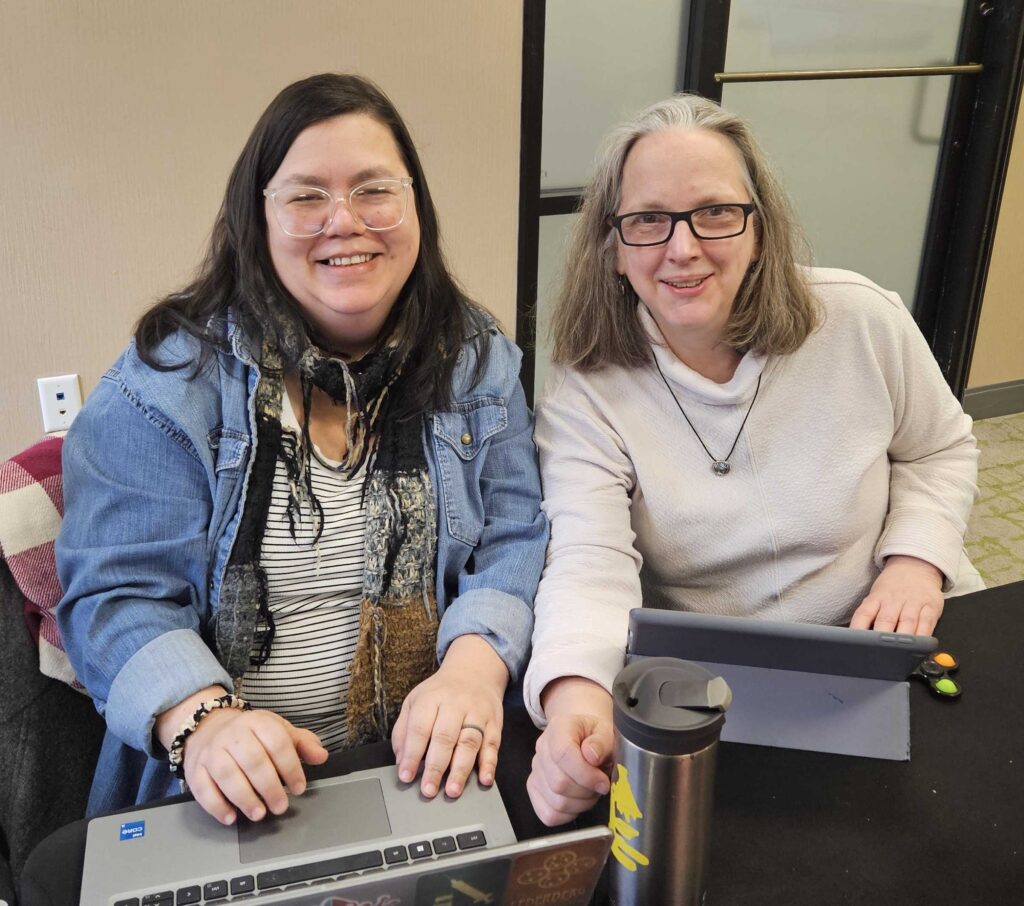
During 2024-2025, three Primarily Undergraduate Institutions (PUIs) in West Virginia–West Virginia University Institute of Technology (WVU Tech), Glenville State University (GSU), and Fairmont State University (FSU)– investigated how to create an inter-institutional collaboration that could result in a shared scholarship program, integrating high-impact curricular and co-curricular practices to enhance STEM achievement. Through a series of face-to-face meetings, focus groups with STEM students, and institutional data gathering, the group generated a needs assessment report outlining critical barriers to success for low-income academically talented students at PUIs in WV, along with some recommendations. We hope the findings will help other rural PUIs in the state and nationally to address the needs of all STEM students. The First2 Network, an NSF INCLUDES Alliance, provided substantial mentoring and support to participating institutions in their work, helping to establish a true collaboration that crossed institutional boundaries.
PROJECT OBJECTIVES:
- To assess the barriers to success for low-income academically talented students on our campuses and design inter institutional mechanisms to address these needs.
- To investigate and formalize the most effective mechanisms among institutions to recruit S-STEM scholars and grant scholarships.
- To determine common curricular and co-curricular interventions and build a regional learning network in order to amplify the impact of these programs with integrated participation between faculty, students, and student support staff among our institutions.
- To build institutional capacity to create a successful multi-institutional S-STEM Track 3 proposal.
PLANNING PROCESS:
We held 30+ weekly planning meetings and two in-person workshops. These convenings:
- Built trust and alignment across campuses.
- Mapped existing academic and co-curricular supports.
- Fostered shared decision-making on program structure.
- Created a collaborative project management and governance framework for long-term implementation.
NEEDS ASSESSMENT PROCESS:
Focus Groups and Surveys
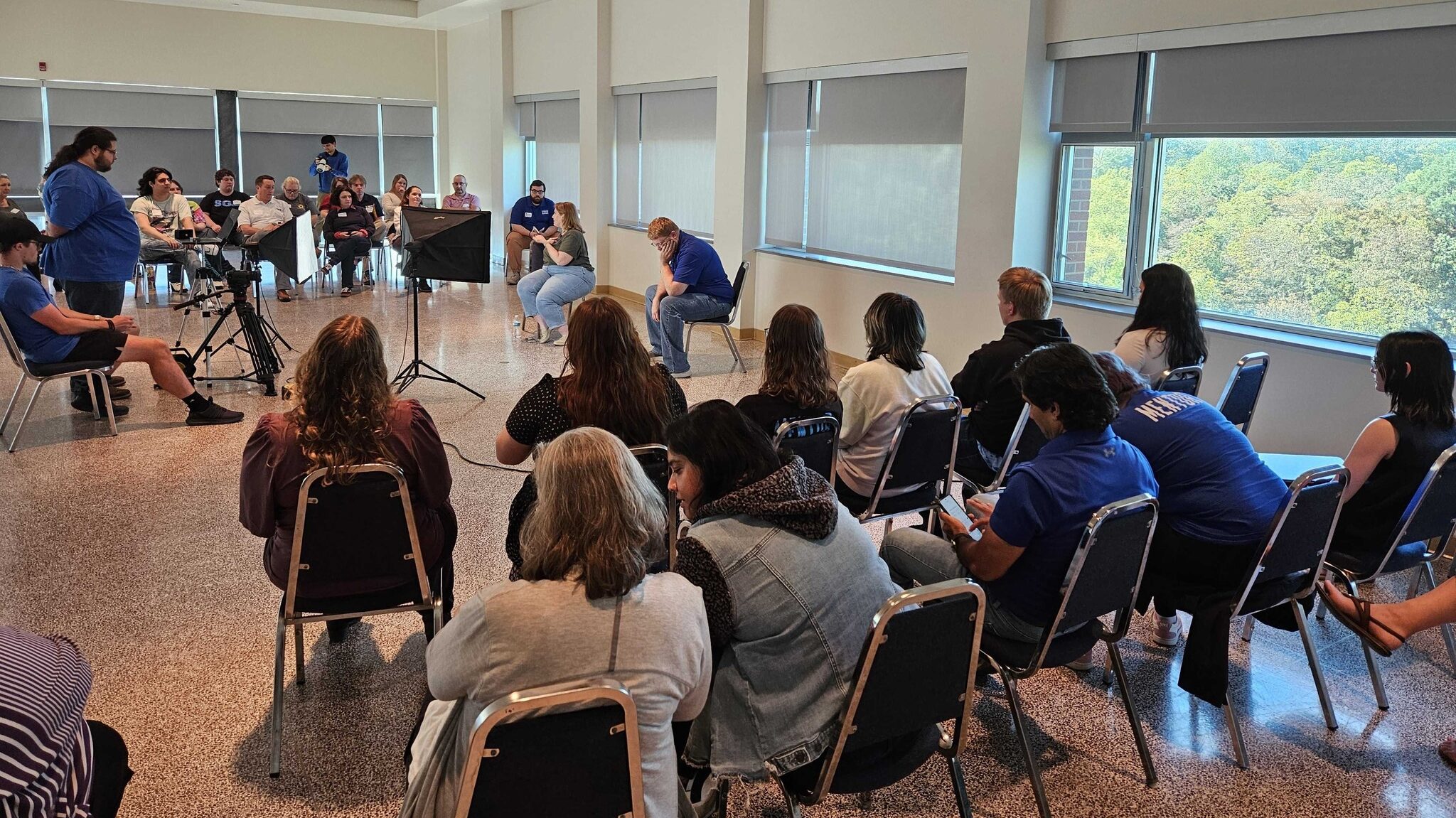
Students completed comprehensive assessment surveys that identified perceived barriers to success for low-income, academically talented STEM students as well as student perceptions regarding academic, financial, social, and cultural challenges. Focus groups with students gathered more nuanced, qualitative insights into the transition to college, use of support services, and unmet needs.
In-Person Workshops
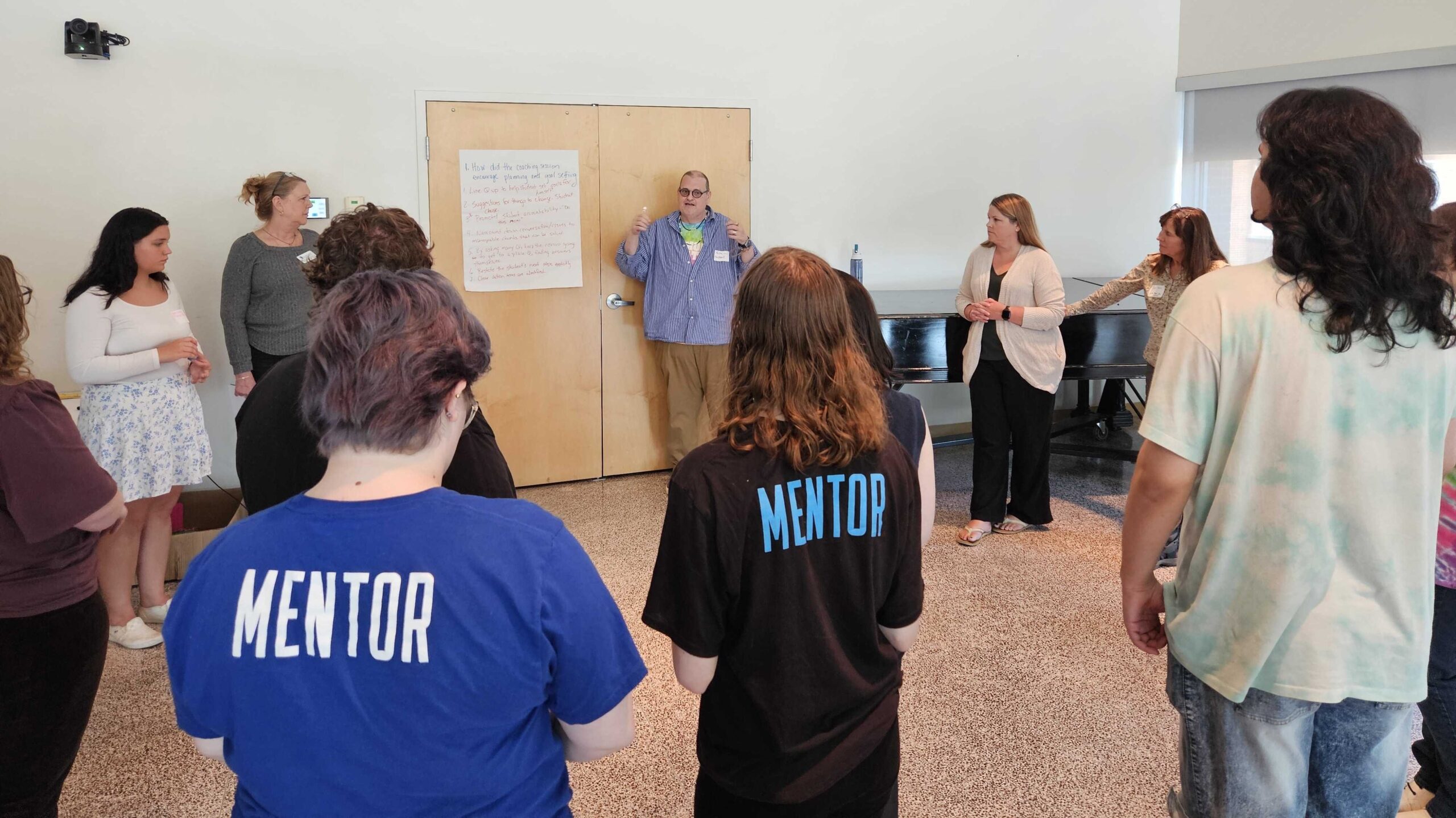
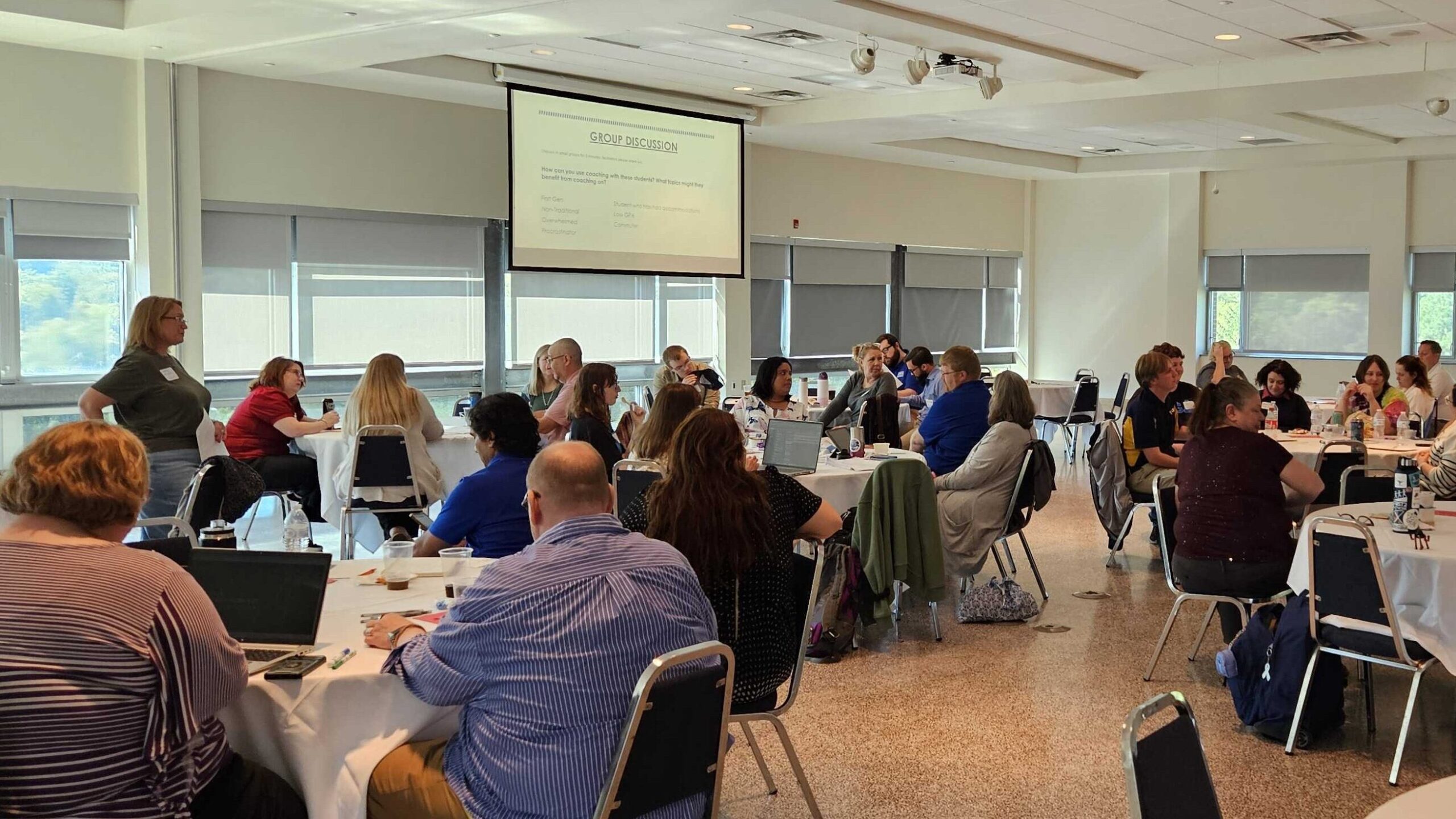
In-person workshops were held in November 2024 and May 2025; as part of these workshops, students, faculty, and support staff further identified and discussed perceived barriers to student success and solicited ideas for institutional improvements.
Institutional Data Analysis
Institutional Research and Financial Aid offices provided disaggregated data on enrollment, retention, graduation, and financial need by STEM majors. This data was analyzed to identify needs barriers for low-income students, establish baseline metrics for future evaluation, and determine feasible scholarship amounts based on unmet need.
KEY FINDINGS:
For a more detailed explanation of the significant results, refer to the multi-institutional needs report.
RESOURCES AND TOOLKITS:
- MULTI-INSTITUTIONAL NEEDS ASSESSMENT REPORT
- SURVEYS AND FOCUS GROUP QUESTIONS
- POSTER: Academic and Student Support Services at WVU Tech: Centering Student Voice (Preliminary Findings)
- ACADEMIC COACHING WORKSHOP TOOLKIT
- ACADEMIC COACHING ROLE-PLAYING DEMONSTRATION VIDEO
COLLABORATIVE PARTNERS:

West Virginia University Institute of Technology
(Lead PI Organization)
Glenville State University
Fairmont State University
First2 Network
(Facilitation Support)
Want to learn more about our planning process or interested in collaborating on a future proposal? Fill out the form below and we will contact you!
Contact Us
Drop us a line – we will get back to you as soon as we can.
"*" indicates required fields